


Starboyy x alpha®
A 4-year-old's big football dreams, packed his way.
Tobenna Uchendu, known online as Starboyy, is a four-year-old footballer from Atlanta with an audience most grown adults would envy: over 185,000 followers on Instagram, tens of thousands more across TikTok and Threads, all watching a preschooler work on ball control, power shots, and the occasional attempted trivela in the driveway.
His family - of Nigerian, Canadian, and American heritage, run his account together, documenting everything from Pre-K graduation to visits with professional players who've taken notice of his talent, including a memorable meet-up with Galatasaray and Nigeria forward Victor Osimhen. What comes through in every clip isn't polish, it's pure, joyful obsession with the game, at an age when most kids are still working out which foot is which.
Starboyy isn't chasing virality. He's just a little boy who loves football, filmed by parents who clearly love watching him fall in love with it.
Table of Contents
- Why Choosing the Right Backpack Matters for Your Child
- Backpack Size Guide for Kids: Finding the Right Fit
- Ergonomic School Bags for Children: Support and Comfort
- Durable School Backpacks for Kids: Materials and Construction
- Essential Features for School and Travel
- Personalization and Accessibility Options
- Common Backpack Selection Mistakes to Avoid
- Conclusion
Last Updated: August 20, 2026
Why Choosing the Right Backpack Matters for Your Child
A child's backpack directly affects their physical development, comfort, and academic performance. Poor backpack choices lead to shoulder strain, back pain, and postural problems that can persist into adulthood. Children carry textbooks, laptops, sports gear, and lunch boxes daily, and a backpack that doesn't distribute weight properly forces their bodies to compensate, creating muscle imbalances and chronic tension.
This guide walks you through every factor that matters when selecting a school backpack: size, ergonomic support, durability, and personalization options.
Backpack Size Guide for Kids: Finding the Right Fit
The biggest mistake parents make is buying by age alone. A seven-year-old and a nine-year-old can have completely different torso lengths and carrying capacities. Size mismatch is the root cause of most backpack-related discomfort.
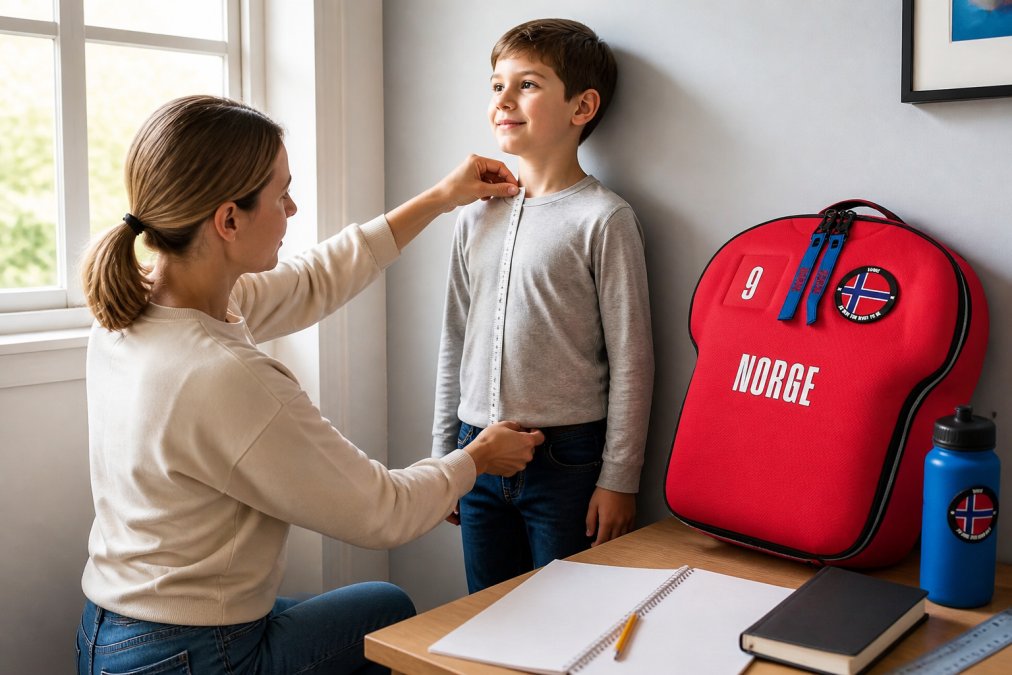
Measuring Your Child's Torso Length
Torso length is the single most important measurement when choosing backpacks for kids. This is the distance from the base of your child's neck (where the shoulder blades meet) down to the top of their hip bone.
To measure accurately, have your child stand upright with their shoulders relaxed. Use a soft measuring tape from the prominent bone at the base of their neck straight down to where their hip bones start. A medium backpack typically fits children with torso lengths between 16 and 18 inches. A large backpack works for children with torso lengths between 18 and 22 inches. Children under 14 inches of torso length usually need a small or youth-sized pack. When the backpack's back panel aligns with your child's torso, weight distributes evenly across their shoulders and hips.

Age and Grade-Level Recommendations
While torso length is the primary guide, age and grade level provide helpful context. Elementary students in kindergarten through second grade typically need small or medium packs with capacities between 10 and 15 liters. Third through fifth graders usually transition to medium or large packs in the 15 to 25 liter range. Sixth grade and beyond typically requires large packs (20-30+ liters) as students carry full course loads, laptops, and athletic gear. However, torso length always takes priority over grade level.
:::pro Measure your child's torso length twice per school year. Kids grow unpredictably, and a backpack that fit perfectly in August might be too small by November. :::
Ergonomic School Bags for Children: Support and Comfort
Ergonomic design separates a backpack that supports your child's body from one that damages it. An ergonomic school backpack distributes weight across your child's strongest load-bearing surfaces: their hips and torso.
Padded Shoulder Straps and Back Panel Support
Padded shoulder straps are non-negotiable. High-density foam padding (typically 10-15mm thick) distributes strap pressure evenly and prevents nerve compression. The straps should be adjustable so they sit snugly without gaps.
The back panel is equally critical. A rigid back panel with high-density foam provides essential spinal support and prevents the pack from sagging into your child's lower back. The best back panels use ergonomic foam that contours to the spine while maintaining firmness and feature breathable mesh to prevent heat buildup.
Load Distribution and Weight Management
A sternum strap and waist belt transfer weight from the shoulders to the hips and torso, your child's strongest load-bearing areas. The waist belt should sit at hip level and be adjustable to your child's frame. When properly secured, it transfers 20-30% of the pack's weight to the hips. The sternum strap should cross the chest at mid-sternum height and feel snug but not restrictive.
A loaded backpack should never exceed 10-15% of your child's body weight. A 70-pound child should carry no more than 7-10 pounds.
Durable School Backpacks for Kids: Materials and Construction
Durability determines whether a backpack lasts one school year or five. A durable backpack withstands daily wear and actually improves with age.
Fabric Quality and Water Resistance
High-quality backpack materials use ballistic nylon or heavy-duty polyester with a denier rating of 500D or higher. These materials resist tearing, abrasion, and punctures far better than lightweight synthetics. Water-resistant fabric coating prevents rain from soaking through to your child's books and electronics while protecting the fabric from UV damage.
A reinforced nylon lining (rather than thin polyester) resists tears from sharp objects and has internal pockets with sturdy stitching that won't give way when packed with textbooks.
Zippers, Seams, and Hardware Durability
Heavy-duty YKK zippers (a premium Japanese brand) are thicker and smoother than economy zippers and last significantly longer under daily use. Seams should use heavy-gauge thread with multiple passes (typically 3-4 stitches per seam). Reinforced stress points where straps attach should have bar-tack stitching (a dense, rectangular stitch pattern that prevents seams from splitting).
Hardware like buckles, D-rings, and adjustment sliders should be metal or high-impact plastic. Metal hardware (typically aluminum or steel) withstands years of adjustment and impact.
Essential Features for School and Travel
Beyond size and ergonomics, certain features make a backpack genuinely functional for school and travel.
Compartment Organization and Laptop Protection
Multiple compartments prevent belongings from becoming chaotic. A main compartment holds textbooks and larger items. A front zippered pocket keeps pens and small supplies organized. An interior zippered pocket protects valuables. Side pockets hold water bottles and allow quick access.
For children who carry laptops or tablets, a padded laptop sleeve is essential. This compartment should have 10-15mm of foam padding and a soft interior lining. Hydration pockets that fit standard water bottles encourage children to stay hydrated throughout the day.
Adjustability for Growing Children
Children grow unpredictably. A backpack with multiple adjustment points accommodates growth spurts. Shoulder straps should adjust easily without requiring tools. Waist belts should have many adjustment options (at least 4-6 inches). Some backpacks feature expandable compartments that increase capacity as your child's needs change, extending useful life by years.
Personalization and Accessibility Options
Children express themselves through their gear. A backpack that allows personalization becomes something your child owns emotionally.
Customization for Individual Expression
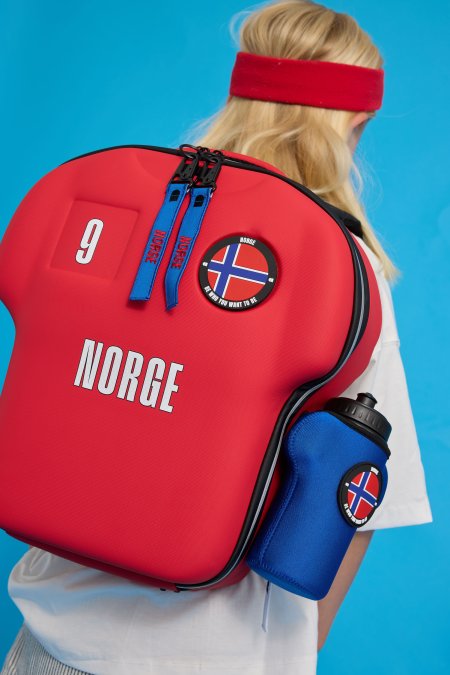
The best personalization options let children add their own identity without feeling like a walking advertisement. Patch systems that accept removable badges, name embroidery, or number additions let children express their interests.
Alpha® offers customizable backpacks where children can add flags, names, and numbers, turning a functional school bag into a personal statement. This level of customization matters more to children than you might expect. A backpack that reflects their identity gets worn with pride and maintained more carefully.
Adaptive Solutions for Special Needs
Not every child can wear a traditional backpack. Children with mobility challenges, sensory sensitivities, or physical disabilities need alternatives. Adaptive backpack solutions include rolling luggage-style bags, side-sling designs that distribute weight to one hip, and attachable pouches that clip to wheelchairs or walkers.
Alpha® recognizes that accessibility means different things for different children. Adaptive solutions for special needs ensure that every child can carry their school supplies safely and comfortably, regardless of their physical situation.
Common Backpack Selection Mistakes to Avoid
Buying by brand alone. Popular brands aren't always the best choice for your specific child. Always measure and test before committing.
Choosing style over function. A backpack that looks cool but has poor ergonomics creates problems. Function must come first.
Ignoring the weight limit. Most backpacks have a maximum weight capacity (often 25-35 pounds). Exceeding this limit stresses the seams and straps and exceeds the safe weight-to-body-ratio for your child.
Skipping the try-on. Have your child wear the pack loaded with books and walk around for five minutes. Discomfort in the store means disaster in daily use.
Underestimating durability needs. A cheap backpack might save money upfront but fails within months. A durable pack costs more initially but lasts for years and often gets passed to younger siblings.
Forgetting about growth. Adjustable straps and expandable compartments add years of usable life.
Conclusion
Choosing the right backpack for your child affects them daily but rarely gets the attention it deserves. The right pack supports their physical development, lasts through years of school life, and gives them a way to express their individuality.
Alpha® builds backpacks specifically designed for this challenge. Their customizable designs let children add their names, numbers, and colors, turning a functional school bag into something they genuinely want to carry. Built with durable materials, reinforced seams, and ergonomic support, alpha® backpacks withstand the rigors of school and travel while remaining smooth and reliable year after year.

Get started with alpha® and give your child a backpack that supports their body, reflects their personality, and actually lasts.
Frequently Asked Questions
What size backpack is best for a 7-year-old?
A 7-year-old typically needs a medium backpack with a capacity of 15-20 litres. The key is measuring your child's torso length from the base of their neck to the top of their hip bones. The backpack's back panel should align with this measurement. A medium backpack fits most early elementary students, but every child grows differently, so proper fit matters more than age alone.
How do I know if a backpack fits my child correctly?
A properly fitting backpack should have shoulder straps that sit snugly without pinching, a back panel that covers the upper back without extending below the hip bones, and a waist belt that sits at hip level to distribute weight evenly. Your child should be able to move their arms freely, and the bottom of the backpack should not sag below their lower back. When loaded, they should carry no more than 10-15% of their body weight.
What factors should I consider when choosing a backpack for kids?
Focus on five key areas: size and fit based on torso length, ergonomic support including padded straps and back panel, durable materials like high-density fabric and quality zippers, essential features such as compartments and adjustable straps, and your child's individual needs. For school use, check that the backpack has a laptop sleeve or protective padding. For travel, water resistance and reinforced stitching are essential. Also consider whether your child will benefit from personalization options to encourage them to use and care for their backpack.
How heavy should a child's backpack be?
A loaded backpack should weigh no more than 10-15% of your child's body weight. For example, a 30 kg child should carry a maximum of 3-4.5 kg. This weight limit protects spinal alignment and prevents long-term postural strain. Regularly check what your child is carrying and remove unnecessary items. Heavier items should be packed closer to the back panel and distributed across multiple compartments to maintain proper load distribution.
What's the difference between small, medium, and large backpacks for kids?
Small backpacks (10-15 litres) suit kindergarteners and very young children with shorter torsos. Medium backpacks (15-20 litres) fit most elementary students aged 6-10 with average-length torsos. Large backpacks (20-30 litres) work for older kids, taller children, or those who need extra capacity for sports gear or travel. The correct size depends on your child's torso length, not just their age, since children develop at different rates.
Why is durability important in kids' backpacks?
Children put backpacks through heavy daily use: dragging them, stuffing them overfull, sitting on them, and bouncing them during active play. High-density fabric, reinforced seams, quality zippers, and strong hardware prevent premature failure that forces you to replace the backpack mid-year. A durable backpack also withstands travel wear if your family moves around frequently, protecting your investment and reducing waste.
Can kids with mobility needs use standard backpacks?
Many children with mobility challenges, including those who use wheelchairs or have difficulty with traditional shoulder straps, benefit from adaptive carrying solutions. Some brands offer backpack alternatives designed to attach to wheelchairs, walkers, or other mobility aids, or feature one-handed fastening systems. If your child has specific mobility needs, look for brands that explicitly offer accessible options and can explain how their products work with your child's equipment.
This article was written using GrandRanker
Läs mer

Find durable, customizable kids luggage for travel. Learn what makes quality children's suitcases stand out—from carry-on sizing to personalization.

Best kids luggage for frequent travel: Find durable kids luggage built for frequent travel. Discover personalized carry-on options, packing tips, and what.